

London’s Seasonal Produce Calendar: A Trade Buyer’s Guide
For any buyer stocking a food hall counter or farm shop shelf in London, the seasonal calendar is not a nice-to-have reference, it’s the foundation of good range planning. The right line at the right moment of the season commands a premium, drives footfall, and tells customers you know what you are doing. The wrong line, or the right line ordered a week too late, leaves gaps and wastes margin.
What follows is Montgomery Wholesale’s month-by-month guide to seasonal produce availability as it arrives through New Spitalfields Market. A fruit and vegetable wholesaler in London for over 30 years, it covers the lines that matter most to premium London trade buyers: named varieties, origin, and the commercial windows that reward those who plan ahead.
Winter – January and February
January and February are the months of the connoisseur. The festive rush has passed, but the buyers who know their market recognise that winter brings some of the most coveted and time-limited lines of the entire year.
Seville Oranges from Spain arrive in January and the window is famously short; rarely more than three to four weeks. Their high pectin content and intense bitter profile make them the essential ingredient for home marmalade-making. Farm shops with a home-preserving customer base should secure volume early; supply does not wait. Alongside them, the first Sicilian Blood Oranges of the Moro variety begin arriving; deep-pigmented, volcanic in provenance, and a high-margin choice for juice bars and premium retail displays.
Yorkshire Forced Rhubarb from the historic Rhubarb Triangle arrives in candlelit sheds, producing vivid pink stems with a refined sweetness that field-grown rhubarb cannot match. It is one of the few truly British luxury lines of the winter season. Specialist citrus – Buddha’s Hand, Bergamot, Cedro, and the ultra-rare Yuko – also land in January, giving food halls a point of genuine difference on the counter.
Stored British roots and brassicas remain at their best: Savoy cabbage, celeriac, parsnips, and leeks from Lancashire and Scotland are still in strong supply and eating well after the frost.
Early Spring – March and April
March marks the transition. Yorkshire Forced Rhubarb finishes, but English field rhubarb from Cheshire growers arrives to take its place; vibrant, pink-hued, and well-suited to retail displays and modern dessert menus alike.
The headline arrival of March and April is English Asparagus. The first spears are weather-dependent and volumes build slowly, but the commercial opportunity is significant. English asparagus commands a premium that imported alternatives cannot justify, and buyers who secure early allocations lead the market. Based on supply arriving through New Spitalfields, the season typically runs from late March through to June.
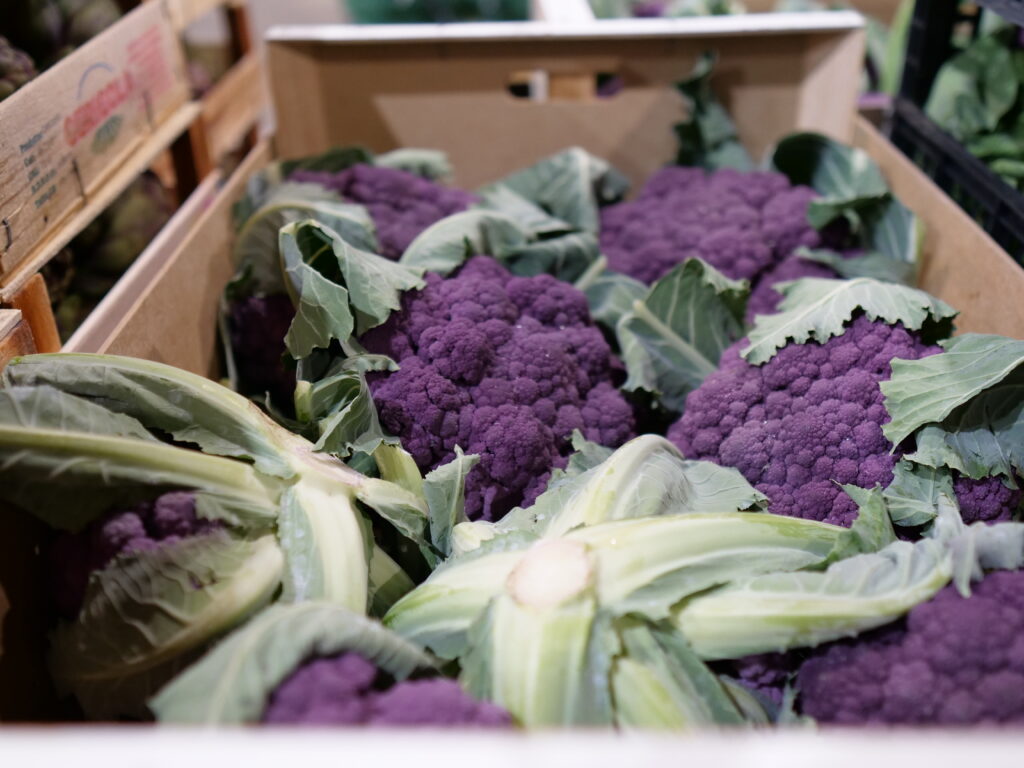
Italian Datterino and San Marzano tomatoes reach their quality peak in early spring; deep flavour, perfect acidity, and a clear story of Mediterranean provenance that resonates with food-literate shoppers. Dutch strawberries arrive in March, offering an early taste of summer luxury before the British season begins. Purple sprouting broccoli, a genuinely seasonal British line, is at its best before it finishes in April.

Late Spring – May and June
English asparagus reaches its peak in May and early June, the single most commercially significant domestic produce window of the spring season. Buyers who have not already secured supply should act immediately at the start of May. The season is short, demand is high, and late allocation requests are regularly disappointed.
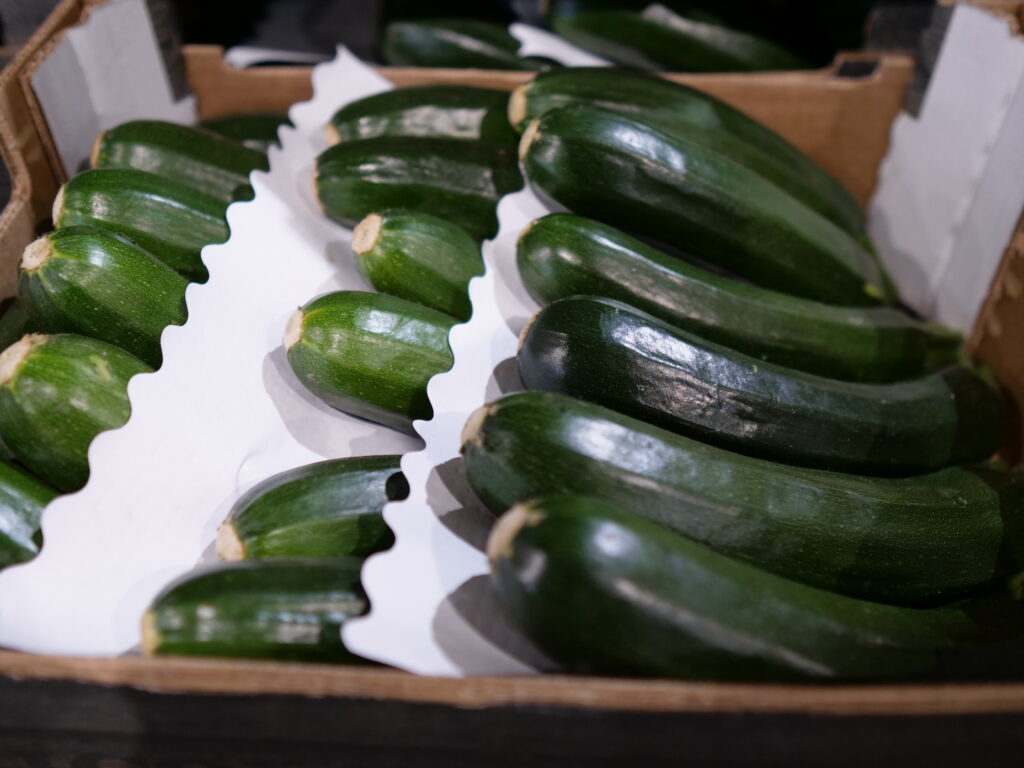
British strawberries begin in earnest from Staffordshire and Cheshire growers. The El Santa variety in particular offers exceptional flavour and shelf appeal. Broad beans, courgettes, fresh peas, and English lettuce from Lancashire all arrive through May. British-grown basil comes into season, offering a domestic alternative to Dutch and Spanish greenhouse supply. Morel mushrooms, foraged and available for a short window, are worth securing for food hall buyers catering to a premium chef customer base.

Summer – July and August
Summer is the highest-margin display season of the year. British soft fruit is at its peak: wholesale blueberries, raspberries, cherries, gooseberries, redcurrants, tayberries, and loganberries create extraordinary counter displays and command prices that reward buyers who have planned their sourcing in advance.
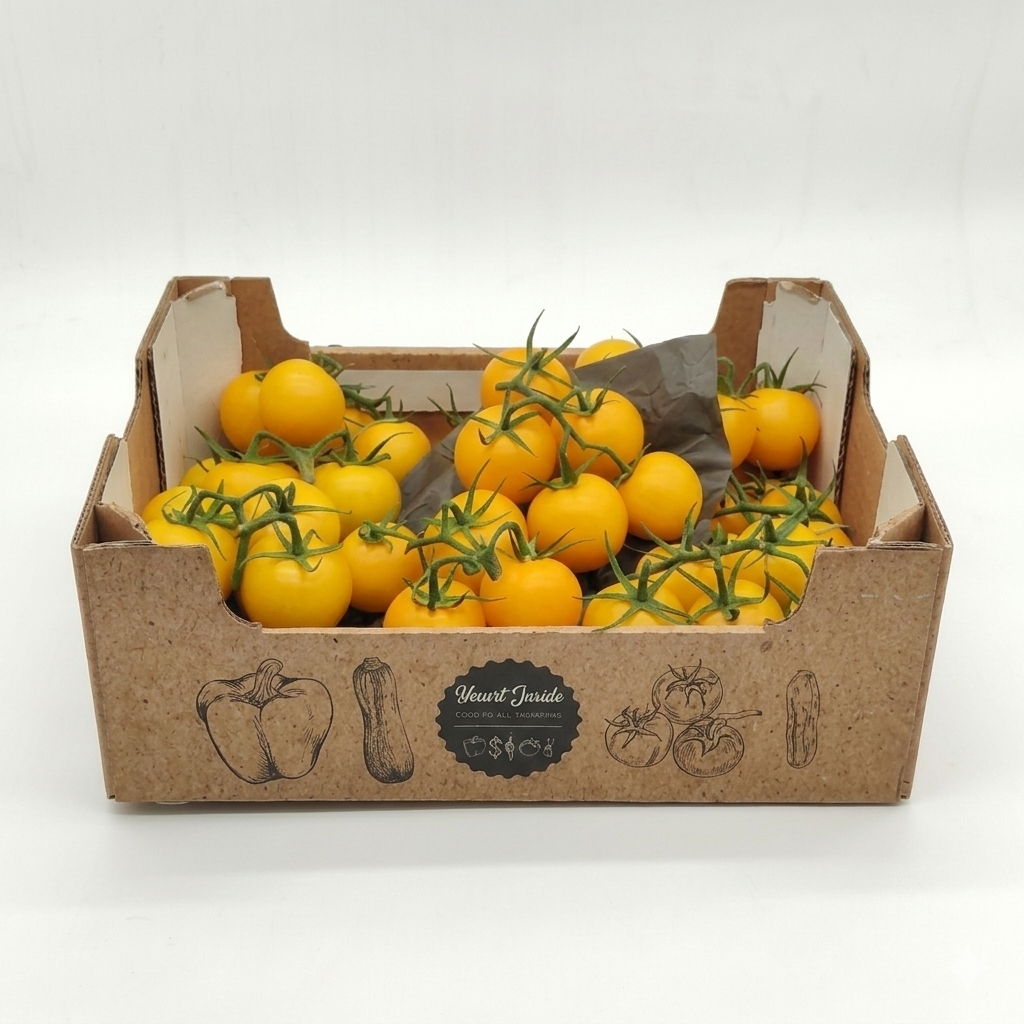
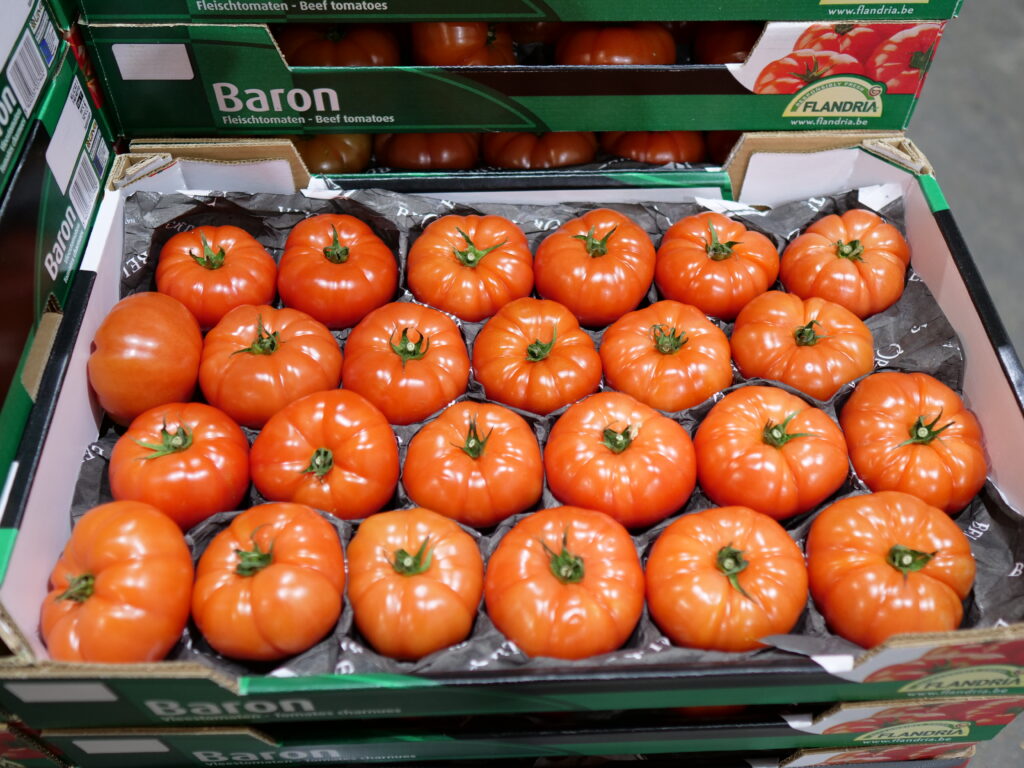
Stone fruit arrives from the Continent and beyond; peaches, nectarines, and apricots at their seasonal best. British sweetcorn, harvested from late July, is a perennial high-volume seller. Heritage and vine tomatoes hit peak quality in August; this is the moment to showcase variety and provenance on your display. Runner beans, fennel, and courgette flowers for buyers serving premium restaurant trade are all available through the summer months.
Garlic, both wet and dried, is in plentiful British supply from July. Buyers should note that Muscat grapes, which have strong seasonal demand, begin to wind down towards the end of August.
Autumn – September and October
Autumn brings a shift back to British roots and brassicas, alongside some of the most visually striking display lines of the year. Crown prince squash, butternut squash, and pumpkins provide the display theatre that farm shops and food halls rely on through September and October. British apples and pears – Cox, Bramley, and Conference – come into season, offering provenance that resonates strongly with farm shop customers.
Wild mushrooms arrive in September: ceps, girolles, and chanterelles from British and Continental foragers. These are premium lines that justify premium positioning. Celeriac, swede, and parsnips from Lancashire and Staffordshire return with the first frosts. Radicchio from Italy – bitter, structural, and visually striking – is at its seasonal peak and well-suited to the discerning food hall buyer looking for something beyond standard salad leaves.
Winter – November and December
The final stretch of the calendar is defined by two things: the quality of British roots and brassicas after the frost, and the planning required to keep shelves stocked through the busiest trading period of the year.
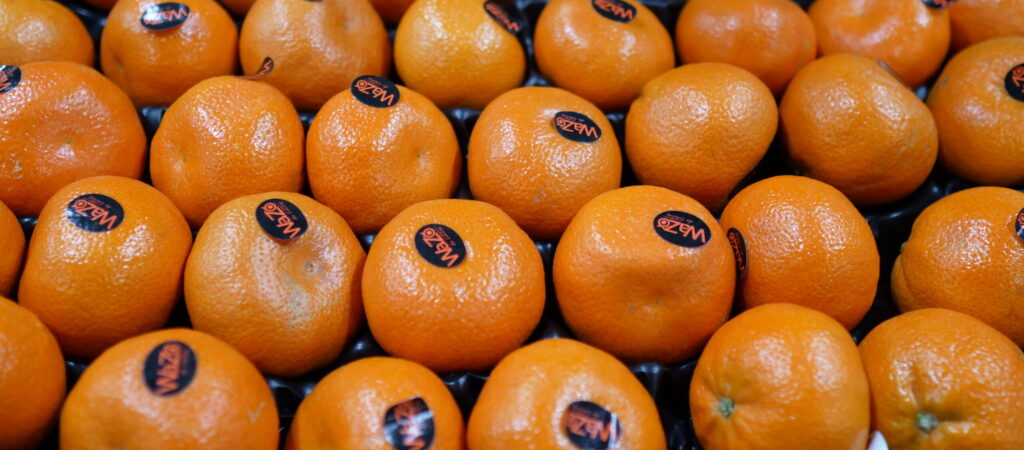
Brassicas eat at their absolute best from November onwards; Brussels sprouts, Savoy cabbage, red cabbage, and kale from Lincolnshire and Lancashire are at peak sweetness after the frost has done its work. Sage spikes sharply in the run-up to Christmas and supply can tighten quickly; buyers should secure volume by mid-November at the latest. Spanish clementines and satsumas are arriving in volume through November; leafy Clementines in particular are a high-visibility, high-turnover line for farm shop and food hall counters.
December also marks the return of the citrus season. Spanish Navels hit peak sweetness, juicing oranges from trusted European growers are in strong supply, and Blood Oranges from Sicily begin their return. Buyers who have not confirmed their festive delivery schedules by early December risk gaps at the worst possible time.
How to Use This Calendar
This calendar reflects the seasonal patterns as they arrive through New Spitalfields Market but availability, quality, and pricing shift week by week depending on weather, growing conditions, and supply. For live updates on what is arriving, what is at peak, and what is about to finish, our monthly market reports go into the detail that a seasonal overview cannot.
Subscribing to the mailing list is the simplest way to receive each report as it is published.
For buyers supplying food halls or farm shops, we are also happy to discuss your seasonal range planning directly. Our buying team knows what is coming before it arrives, and that knowledge is most useful when shared early.
Ready to Plan Your Seasonal Range?
Planning ahead is what separates a good seasonal display from a great one. If you want to talk through what is arriving this season, set up a standing order for a key line, or simply find out what is worth securing right now, get in touch with the Montgomery Wholesale team today – we are always happy to talk produce.
Phone: 020 3833 9174
WhatsApp: 020 3833 9174
